
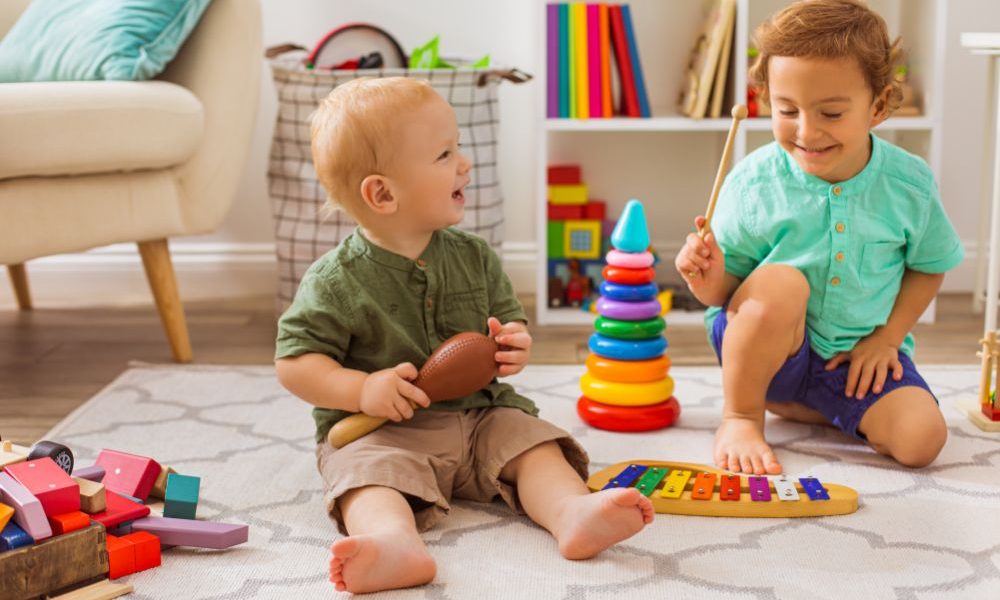
matechcorp.com – Play is often seen as a fun and entertaining activity, but for babies, it is much more than that. Play is a crucial part of a baby’s development, providing a foundation for learning and growth in various developmental areas. Understanding the importance of play can help parents and caregivers support their baby’s development effectively.
Why Play Matters
-
Cognitive Development
- Through play, babies explore their surroundings, which helps them learn about cause and effect, problem-solving, and decision-making. Simple games like peek-a-boo or stacking blocks foster cognitive skills by encouraging curiosity and experimentation.
-
Physical Development
- Play helps babies develop both gross and fine motor skills. Activities like crawling, reaching, and grasping enhance muscle strength and coordination. As babies grow, more active play like climbing and dancing further develops their physical abilities.
-
Social and Emotional Development
- Play provides opportunities for babies to interact with their caregivers and other children, helping them learn social cues and build relationships. It also aids in emotional regulation, as babies express and understand different emotions through play.
-
Language Development
- Engaging in play with others often involves communication, even if it’s just babbling or mimicking sounds. This interaction lays the groundwork for language development, as babies listen and respond to verbal cues. Singing songs, reading books, and naming objects during playtime enhance vocabulary and comprehension.
Types of Play
-
Sensory Play
- Sensory play involves activities that stimulate a baby’s senses, such as touch, sight, and sound. Examples include playing with textured toys, exploring water or sand, and listening to music. This type of play helps babies process sensory information and develop their sensory skills.
-
Imaginative Play
- Imaginative play, or pretend play, encourages creativity and problem-solving. Although more common in older toddlers, even young babies can engage in simple imaginative play, like pretending to feed a doll or mimicking adult actions.
-
Physical Play
- Physical play includes activities that involve movement and coordination, such as tummy time, rolling, and eventually walking and running. These activities promote physical health and motor development.
Encouraging Play
-
Create a Safe Environment
- Ensure the play area is safe and free from hazards. Use age-appropriate toys and equipment that encourage exploration and movement.
-
Be Involved
- Participate in your baby’s play to provide guidance and encouragement. Your involvement helps reinforce learning and strengthens your bond with your baby.
-
Provide Variety
- Offer a variety of toys and activities to stimulate different areas of development. Rotate toys regularly to keep playtime interesting and engaging for your baby.
Conclusion
Play is a vital component of a baby’s development, impacting their cognitive, physical, social, emotional, and language growth. By understanding the significance of play and actively engaging in your baby’s playtime, you can support their development and foster a love for learning. Remember, the most important aspect of play is the joy and connection it brings, both for your baby and for you.