
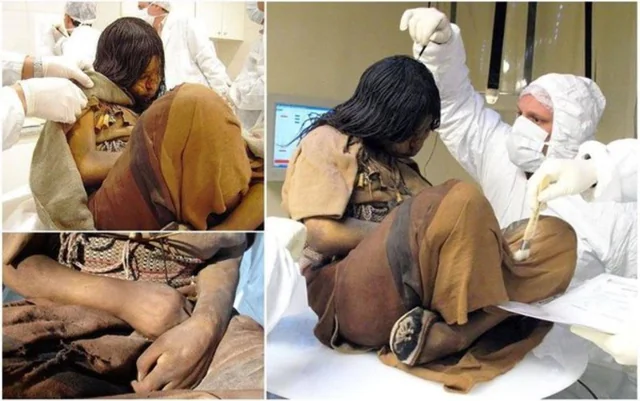
matechcorp.com – Nestled high in the Andes Mountains, the mummies of South America offer a fascinating glimpse into the cultures and traditions of ancient civilizations. Unlike their Egyptian counterparts, these mummies were not intentionally preserved through elaborate embalming techniques. Instead, they owe their remarkable preservation to the natural conditions of the Andes, providing unique insights into the lives and beliefs of the people who lived there hundreds, even thousands, of years ago.
Natural Preservation in the Andes
The mummies of the Andes are primarily the result of natural mummification processes. The cold, dry climate of the mountains, combined with the high altitude, creates an environment where bodies can be preserved with astonishing detail. The low temperatures slow down the decomposition process, while the arid conditions prevent the growth of bacteria and fungi that would otherwise lead to decay.
Significant Discoveries
One of the most famous discoveries of Andean mummies is the “Children of Llullaillaco,” three Inca children found on the Llullaillaco volcano in 1999. These mummies are believed to have been part of a sacrificial ritual known as capacocha, performed to appease the gods. The children, buried with ceremonial artifacts, were so well-preserved that they appeared to be merely asleep, providing valuable insights into Inca religious practices and social structures.
Cultural and Historical Context
The Andean mummies are more than just archaeological treasures; they are windows into the past that reveal the cultural and religious practices of ancient Andean civilizations. The practice of human sacrifice, as evidenced by some of these mummies, highlights the importance of religious rituals and the belief systems that shaped these societies. The artifacts found alongside the mummies, such as textiles and pottery, further enrich our understanding of the daily lives and artistic expressions of these ancient peoples.
Scientific and Ethical Considerations
The study of Andean mummies presents both opportunities and challenges. Advances in technology, such as DNA analysis and CT scanning, allow researchers to study these mummies without causing damage, revealing information about their diets, health, and genetic links to modern populations. However, ethical considerations must also be addressed, including the need to respect the cultural heritage and beliefs of the descendants of these ancient peoples.
Conclusion
The mummies of the Andes stand as a testament to the ingenuity and resilience of ancient South American civilizations. Their natural preservation offers a unique opportunity to explore the history and culture of the region in ways that were previously unimaginable. As we continue to study these remarkable relics, they remind us of the rich tapestry of human history and the enduring legacy of the people who once thrived in the high altitudes of the Andes Mountains.